
OSHA Tower Safety Training For Working at Height
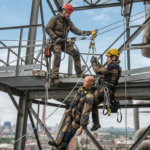
Tower climbing is one of the most dangerous occupations in the United States. Workers who install, maintain, or repair communication and utility towers face extreme risks, including falls from great heights, electrical hazards, and adverse weather conditions. To mitigate these dangers, the Occupational Safety and Health Administration (OSHA) requires employers to provide comprehensive OSHA tower safety training. This training equips workers with the knowledge, skills, and confidence to perform their jobs safely while ensuring compliance with federal regulations.
Understanding OSHA Tower Safety Training
OSHA tower safety training is designed to address the unique hazards of tower work. It covers fall protection systems, rescue procedures, hazard recognition, and equipment inspection. The goal is simple: prevent accidents and save lives.
Key OSHA standards relevant to tower safety include:
- 29 CFR 1926 Subpart M (Fall Protection)
- 29 CFR 1910.268 (Telecommunications Safety)
- 29 CFR 1926.503 (Training Requirements)
These regulations mandate that employers provide training tailored to the specific risks workers face on towers.
Why Tower Safety Training Matters
Tower climbing consistently ranks among the most dangerous jobs. Falls from height are one of the leading causes of fatalities in this industry. OSHA requires continuous fall protection at heights of 4–6 feet or more, depending on the type of work. Proper training ensures workers understand how to use protective equipment correctly, recognize hazards before they escalate, and respond effectively in emergencies.
Benefits of OSHA tower safety training include:
- Reduced accidents and fatalities
- Legal compliance with OSHA standards
- Improved worker confidence and morale
- Enhanced productivity through safe practices
- Employer protection against liability
Core Components of OSHA Tower Safety Training
Fall Protection
Fall protection is the cornerstone of tower safety. Training covers:
- Personal Fall Arrest Systems (PFAS)
- Positioning device systems
- Anchorage requirements
- 100% tie-off techniques
Workers learn how to properly inspect, wear, and use harnesses, lanyards, and anchor points to ensure continuous protection.
Rescue Protocols
Emergencies at height require specialized responses. Training includes:
- Authorized climber and rescuer certifications
- Competent rescuer training for complex emergencies
- Confined space rescue procedures
- Rope access and descent techniques
Rescue drills prepare workers to act quickly and effectively when accidents occur.
Hazard Awareness
Workers must be able to identify predictable hazards such as:
- Weather-related risks (lightning, high winds, extreme temperatures)
- Physiological stress and fatigue
- Electrical hazards from nearby power lines
- Structural instability
By recognizing hazards early, workers can take proactive steps to avoid accidents.
Equipment Safety
Training emphasizes the importance of equipment integrity:
- Rigging and inspection standards
- Proper use of climbing gear
- Maintenance of safety devices
Regular inspections ensure that faulty equipment does not compromise worker safety.
Emergency Preparedness
Preparedness is critical in tower work. Training covers:
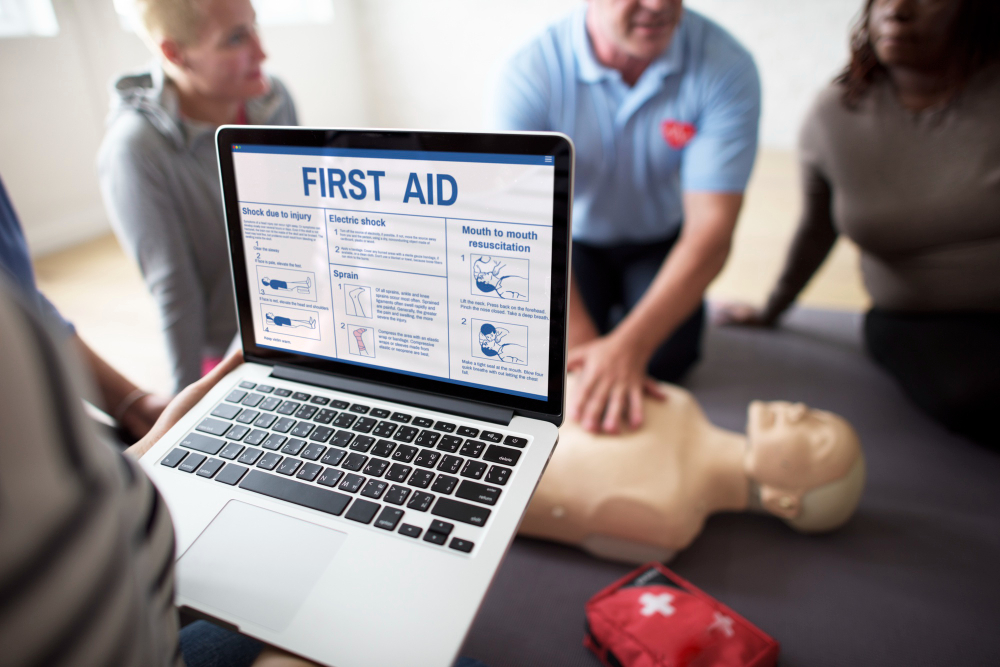
- First Aid and CPR requirements
- Communication protocols during incidents
- Rescue planning and drills
Workers learn how to coordinate with team members and emergency responders to minimize harm.
Roles in OSHA Compliance
Two roles are central to OSHA tower safety compliance:
- Competent Person: Identifies hazards and enforces corrective measures.
- Qualified Person: Designs or approves fall protection systems and provides technical expertise.
Employers must ensure these roles are clearly defined and filled by trained individuals.
Common Mistakes to Avoid
Even with training, mistakes can undermine safety. Common pitfalls include:
- Skipping refresher courses — safety skills must be updated regularly.
- Ignoring equipment inspections — faulty gear is a leading cause of accidents.
- Underestimating rescue training — emergencies at height require specialized responses.
- Failing to enforce 100% tie-off — even brief lapses can be fatal.
Avoiding these mistakes ensures training translates into real-world safety.
The Bigger Picture: Building a Safety Culture
OSHA tower safety training is not just about compliance; it’s also about creating a culture of safety. When workers feel confident in their training, they are more likely to follow protocols, look out for one another, and report hazards. Employers who invest in training demonstrate a commitment to their workforce, which boosts morale and retention.
Final Thoughts
OSHA tower safety training is a lifeline for workers in one of the most hazardous industries. By mastering fall protection, rescue protocols, hazard awareness, and emergency preparedness, climbers and employers can ensure every worker returns home safely.
For organizations seeking to strengthen their safety programs, OSHA-approved training is the foundation of compliance and protection.
Learn more about OSHA-approved tower safety training resources and programs by visiting the official OSHA Training Resources.