

Tower Climber Certification: Ensuring Safety and Career Growth in the Telecom Industry
Learn why tower climber certification is essential for safety, compliance, and career growth. Explore training types, benefits, and industry standards for telecom professionals.
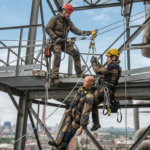
Working as a tower climber is one of the most challenging and high-risk professions in telecommunications and broadcast industries. Climbers scale structures that can reach hundreds of feet into the air, often in harsh weather conditions, to install, maintain, or repair equipment. In such a demanding environment, tower climber certification is not just a credential; it is a necessity for safety, compliance, and career advancement.

Why Tower Climber Certification Matters?
Certification serves multiple purposes:
- Safety assurance: Tower climbing is inherently dangerous. Certification ensures climbers are trained in fall protection, rescue techniques, and hazard recognition.
- Regulatory compliance: OSHA and ANSI standards require workers at height to be properly trained. Certification demonstrates adherence to these regulations.
- Employer confidence: Companies prefer certified climbers because it reduces liability and ensures workers are prepared for emergencies.
- Career opportunities: Certified climbers are more employable and often earn higher wages due to their specialized skills.
Without certification, climbers risk not only their own lives but also the safety of their teams and the integrity of the equipment they service.
Types of Tower Climber Certification
There are several levels of certification, each tailored to different responsibilities:
- Authorized Climber/Rescuer: Covers the basics of climbing, personal protective equipment (PPE) use, and emergency rescue.
- Competent Climber/Rescuer: Focuses on advanced rescue techniques, site safety analysis, and leadership responsibilities.
- Trainer Certification: Prepares experienced climbers to train others, ensuring knowledge is passed down effectively.
Each level builds upon the previous one, creating a structured pathway for climbers to advance their skills and responsibilities.
Core Training Components
Tower climber certification programs typically include:
- Fall protection fundamentals: Proper use of harnesses, lanyards, and anchor points.
- Climbing techniques: Safe ascent and descent methods to minimize fatigue and risk.
- Rescue operations: Training in self-rescue and assisted rescue drills.
- Hazard recognition: Identifying risks such as weather, equipment failure, or dropped objects.
- Equipment inspection: Ensuring PPE and climbing gear meet safety standards before use.
These components are designed to prepare climbers for real-world scenarios, where quick thinking and proper technique can save lives.
Risks and Challenges in Tower Climbing
Despite rigorous training, tower climbing remains a high-risk profession:
- Falls from height: The leading cause of fatalities in the industry.
- Weather hazards: Wind, rain, and lightning can make climbing extremely dangerous.
- Physical demands: Climbers must be physically fit to endure long hours at height.
- Employer liability: Companies face penalties if uncertified workers are injured on the job.
Certification mitigates these risks by instilling a culture of safety and preparedness.
Benefits of Tower Climber Certification
Certification offers tangible benefits for both climbers and employers:
- Career advancement: Certified climbers are more likely to secure jobs and promotions.
- Employer trust: Certification demonstrates accountability and professionalism.
- Safety culture: Promotes teamwork and reduces risk across job sites.
- Regulatory compliance: Meets OSHA and NATE STAR Initiative requirements.
Ultimately, certification is a win-win: climbers gain credibility and employers reduce liability.
Industry Standards and Organizations
Several organizations set the standards for tower climber certification:
- OSHA: Provides federal regulations for workplace safety.
- ANSI Z359: Establishes guidelines for fall protection systems.
- NATE: The National Association of Tower Erectors offers recognized training programs and promotes safety initiatives.
These standards ensure that certification programs are consistent, reliable, and effective across the industry.
Conclusion
Tower climber certification is more than a piece of paper, it is a lifeline. By completing certification programs, climbers gain the skills to work safely, rescue effectively, and comply with industry standards. For employers, certification reduces liability and fosters a culture of safety. For climbers, it opens doors to career advancement and ensures they return home safely after every climb.
In an industry where lives depend on proper training, certification is not optional, it is essential.
If you’re considering a career in tower climbing or looking to advance your skills, invest in tower climber certification today. Explore recognized programs through organizations like NATE or OSHA-compliant training providers. Your safety, your career, and your future depend on it.