
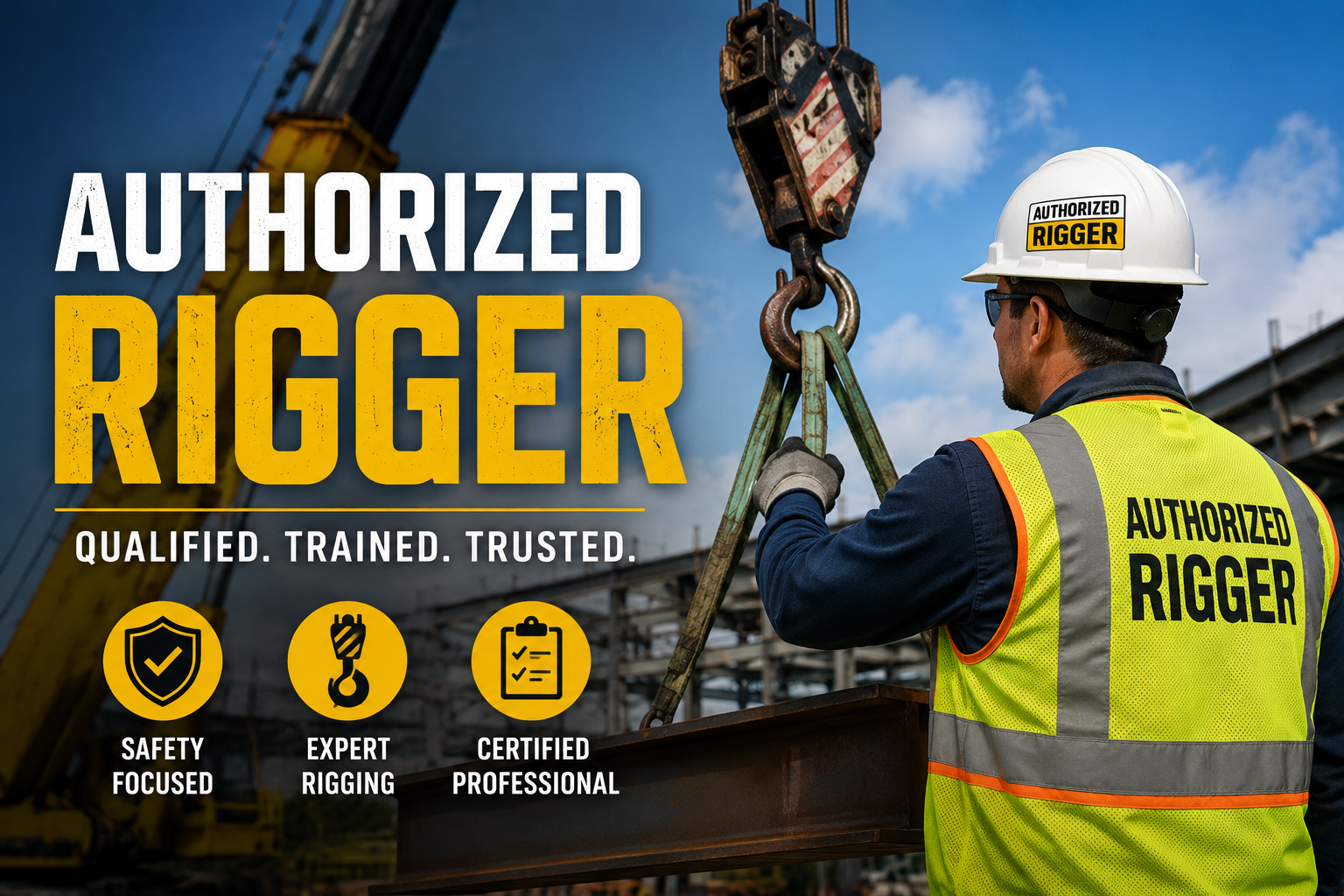
Authorized Rigger Certification: A Vital Commitment to Safety and Worker Welfare
In industries where cranes, hoists, and rigging equipment are part of daily operations, safety is the lifeline of productivity. The authorized rigger certification has become a cornerstone of workplace safety, ensuring that workers entrusted with heavy lifting tasks are properly trained, competent, and recognized for their skills. This credential is not just a compliance requirement—it is a powerful tool for advancing worker welfare and building a culture of responsibility.
What Is Authorized Rigger Certification?
The authorized rigger certification is a formal credential awarded to individuals who complete specialized training in rigging practices. These programs are designed to meet OSHA and ASME B30 standards, covering everything from load calculations to equipment inspection. Certified riggers are recognized as professionals who can safely attach, detach, and guide loads during lifting operations.
Key components include:
- Load calculations: Understanding weight, balance, and sling angles.
- Equipment inspection: Identifying wear, corrosion, or damage before use.
- Communication protocols: Using standardized hand signals and radios to coordinate lifts.
- Critical lift planning: Preparing for complex or hazardous lifts with detailed strategies.
Employee Welfare Should Be a Necessity, Not an Option
In high‑risk industries, employee welfare cannot be treated as a luxury or an afterthought—it must be embedded into the very foundation of workplace policies. The authorized rigger certification is a prime example of how welfare initiatives translate into tangible safety outcomes. By mandating certification, companies acknowledge that protecting workers is not optional but essential.
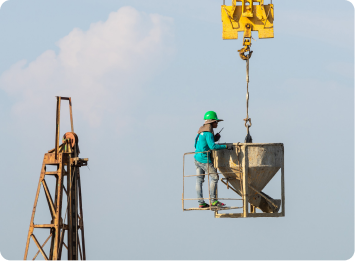
When welfare is prioritized, workers benefit from:
- Safe working conditions: Certified riggers operate in environments where hazards are identified and controlled.
- Health protection: Training emphasizes ergonomics and safe lifting techniques, reducing long‑term injuries.
- Psychological security: Knowing that employers value their safety fosters trust and reduces stress.
- Career growth: Certification enhances employability, giving workers stability and confidence in their future.
Treating welfare as a necessity also benefits employers. A workforce that feels protected and respected is more productive, loyal, and motivated. In contrast, neglecting welfare leads to high turnover, low morale, and increased accident rates. The authorized rigger certification bridges this gap by ensuring that safety and welfare are not optional policies but mandatory standards.
Why Certification Matters for Worker Safety
Safety is the most obvious benefit of certification. Rigging accidents can result in catastrophic injuries, fatalities, or property damage. By requiring authorized rigger certification, employers ensure that workers:
- Recognize hazards before they escalate.
- Use equipment correctly and maintain it properly.
- Communicate clearly during lifts, reducing missteps.
- Apply ergonomics to protect against musculoskeletal injuries.
This proactive approach reduces accidents and fosters a safer environment for everyone on site.
Worker Welfare: Beyond Physical Safety
While safety is paramount, certification also addresses broader welfare issues:
- Reduced injuries: Proper lifting techniques minimize back strain and repetitive stress injuries.
- Mental well‑being: Workers gain confidence knowing they are trained to handle dangerous tasks safely.
- Job security: Certified riggers are more employable, offering stable career opportunities.
- Empowerment: Certification fosters accountability, encouraging workers to actively contribute to safety culture.
By prioritizing welfare, certification programs help workers feel valued, respected, and secure in their roles.
The Certification Process Step by Step
- Eligibility: Candidates must meet basic industry experience and health prerequisites.
- Training programs: Courses cover OSHA standards, sling types, knots, and safe lifting practices.
- Hands‑on practice: Practical training includes equipment inspection, rigging arrangements, and crane signaling.
- Examination: Written and practical exams test theoretical knowledge and applied skills.
- Credential issuance: Successful candidates receive certification recognized by employers and regulators.
- Renewal: Credentials must be renewed periodically through refresher courses and continuing education.
This structured pathway ensures that certified riggers remain competent and up‑to‑date with evolving safety standards.
Employer Benefits of Certification
Employers also gain significant advantages by requiring authorized rigger certification:
- Reduced liability: Compliance with OSHA standards lowers the risk of fines and lawsuits.
- Improved efficiency: Certified riggers work faster and safer, reducing downtime.
- Lower insurance costs: Fewer accidents mean reduced premiums.
- Enhanced reputation: Companies known for prioritizing safety attract better talent and clients.
Building a Culture of Safety
The ripple effect of certification goes beyond individual workers. When companies invest in authorized rigger certification, they send a clear message: safety and welfare are non‑negotiable. This builds trust among employees, strengthens morale, and creates a workplace culture where every worker feels responsible for safety.
Such a culture reduces turnover, improves teamwork, and ensures that safety protocols are followed consistently. In industries where lives depend on precision, this cultural shift is invaluable.
Conclusion
The authorized rigger certification is more than a piece of paper; it is a promise of safety, welfare, and professionalism. By investing in certified riggers, industries protect their workforce, reduce accidents, and build a culture where safety is the norm, not the exception. In workplaces where lives depend on precision and responsibility, certification is the bridge between risk and security.