
OSHA Tower Safety Training: Protecting Workers at Height
Working on communication towers, utility structures, or tall industrial installations is among the most hazardous jobs in construction and maintenance. The Occupational Safety & Health Administration (OSHA) has established strict guidelines to protect workers from falls, electrical hazards, and structural hazards. OSHA tower safety training is designed to equip employees with the relevant knowledge, skills, and confidence to perform their duties safely while minimizing accidents. This article explores the importance, components, and benefits of OSHA tower safety training in today’s workplace.
Why OSHA Tower Safety Training Matters?
Tower work often involves climbing hundreds of feet above ground, handling heavy equipment, and working in unpredictable weather conditions. Without proper training, workers face significant risks, including:
- Falls from height – the leading cause of fatalities in tower work.
- Electrocution – due to proximity to power lines or faulty equipment.
- Structural collapse – from improper rigging or overloading.
- Environmental hazards – such as high winds, lightning, or extreme temperatures.
OSHA mandates that employers provide comprehensive safety training to mitigate these risks. OSHA tower safety training ensures that workers understand both the dangers and the protective measures required to keep themselves and their teams safe.
Core Components of OSHA Tower Safety Training
1. Fall Protection Systems
Workers learn how to properly use harnesses, lanyards, anchor points, and fall arrest systems. Training emphasizes inspection of equipment before use and correct attachment techniques to prevent catastrophic falls.
2. Climbing Techniques
Safe climbing practices are taught, including threepoint contact, maintaining balance, and avoiding fatigue. Workers are trained to recognize unsafe structures and report hazards immediately.
3. Rigging and Hoisting
Tower work often requires lifting heavy tools or antennas. OSHA training covers proper rigging methods, load calculations, and safe hoisting procedures to prevent dropped objects or structural damage.
4. Electrical Safety
Since towers are often near power lines or contain electrical components, workers are trained in lockout/tagout procedures, grounding techniques, and recognizing electrical hazards.
5. Emergency Response
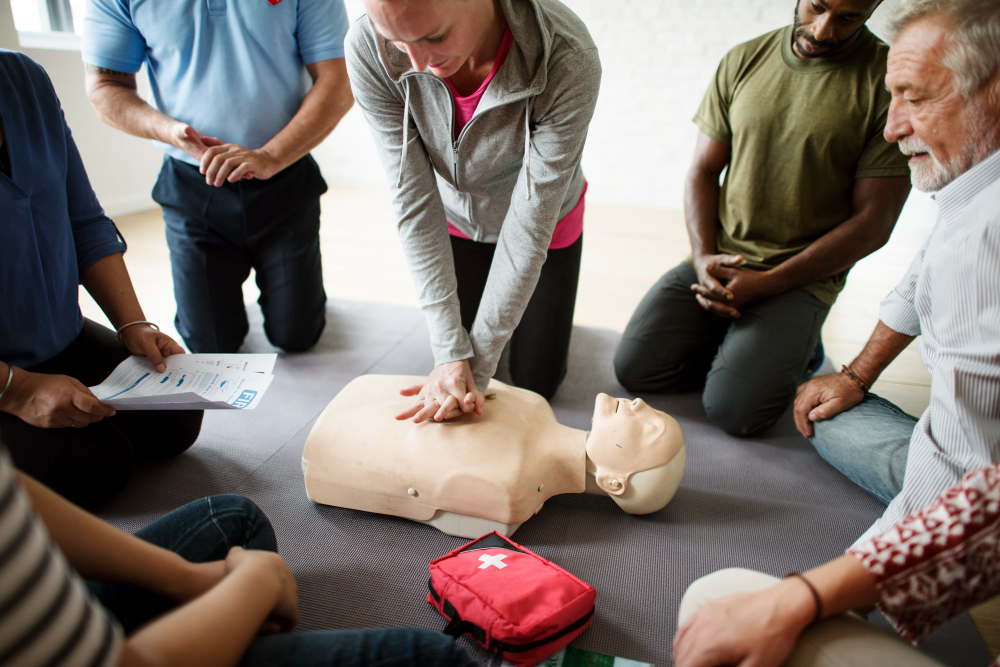
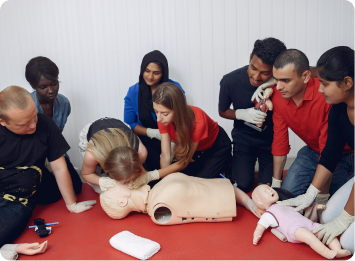
Training includes rescue techniques for fallen or suspended workers, first aid basics, and communication protocols during emergencies. Quick response can mean the difference between life and death.
6. Weather and Environmental Awareness
Workers are taught to monitor weather conditions, identify unsafe wind speeds, and understand how temperature extremes affect both equipment and human performance.
Benefits of OSHA Tower Safety Training
For Workers
- Confidence at height: Proper training reduces fear and increases focus.
- Reduced accidents: Knowledge of safety systems lowers the risk of injury.
- Career advancement: Certified training enhances employability and credibility.
For Employers
- Compliance with regulations: Meeting OSHA standards avoids fines and legal issues.
- Lower insurance costs: Fewer accidents mean reduced claims and premiums.
- Improved productivity: Safe workers are more efficient and reliable.
For the Industry
- Standardization of practices: OSHA training ensures consistent safety protocols across projects.
- Enhanced reputation: Companies known for prioritizing safety attract better contracts and skilled workers.
Implementation of OSHA Tower Safety Training
Employers must integrate training into their safety programs. This involves:
- Initial training: Before workers climb, they must complete OSHA tower safety training modules.
- Onsite instruction: Supervisors provide practical demonstrations and monitor compliance.
- Regular refreshers: Workers revisit training annually or when new equipment is introduced.
- Documentation: Employers must keep records of training sessions to prove compliance during inspections.
Real World Impact
Statistics show that tower work fatalities have decreased in organizations that prioritize OSHA tower safety training. Workers report feeling more secure, and rescue operations have become faster and more effective. The training not only saves lives but also fosters a culture of accountability and teamwork.
Future of Tower Safety Training
As technology evolves, OSHA towersafety and CPR training will incorporate:
- Virtual reality simulations: Allowing workers to practice climbing and rescue scenarios in a controlled environment.
- Smart safety gear: Harnesses with sensors that detect improper use or dangerous conditions.
- Remote monitoring: Supervisors can track worker safety compliance in real time.
These innovations will further strengthen the effectiveness of OSHA’s training programs.
Conclusion
OSHA towersafety training is more than a regulatory requirement. It is a lifeline for workers who risk their lives at great heights. By teaching fall protection, electrical safety, emergency response, and environmental awareness, OSHA ensures that tower workers can perform their jobs with confidence and security. For employers, investing in this training means compliance, reduced liability, and a safer workforce. Ultimately, OSHA tower safety training is a cornerstone of modern occupational safety, protecting lives while enabling progress in industries that rely on towers and highrise structures.