
Online Tower Climbing Course: A Complete Guide to Safety and Skills
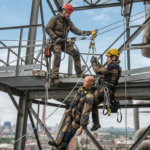
Tower climbing is one of the most demanding and highrisk professions in the world. Whether they work on telecommunications towers, wind turbines, or tall construction structures, climbers face unique challenges that require specialized training. Traditionally, courses were conducted in person, but with the rise of digital learning, several institutions now offer online tower climbing courses. These programs combine theoretical knowledge with virtual simulations, making safety training more accessible, flexible, and costeffective.
What Is an Online Tower Climbing Course?
An online tower-climbing course is a structured training program delivered via digital platforms. It covers the essential topics such as fall protection, personal protective equipment (PPE), rescue techniques, hazard identification, and regulatory compliance. While practical climbing skills must eventually be tested in person, the online format allows learners to build a strong foundation before stepping onto a tower. Many courses also include interactive modules, video demonstrations, and quizzes to reinforce learning.
Why Choose Online Training?
The biggest advantage of an online tower climbing course is flexibility. Learners can access materials anytime, anywhere, making it easier for working professionals to balance training with their schedules. Online courses are also costeffective, eliminating travel and accommodation expenses associated with traditional training centers.
Another benefit is standardization. Online platforms ensure that every participant receives the same highquality instruction, reducing inconsistencies that may occur in facetoface sessions. Additionally, digital learning allows for continuous updates, ensuring that climbers stay informed about the latest safety regulations and industry practices.
Key Components of an Online Tower Climbing Course
A welldesigned online tower climbing course typically includes the following modules:
- Introduction to Tower Climbing – Overview of the profession, risks involved, and industry standards.
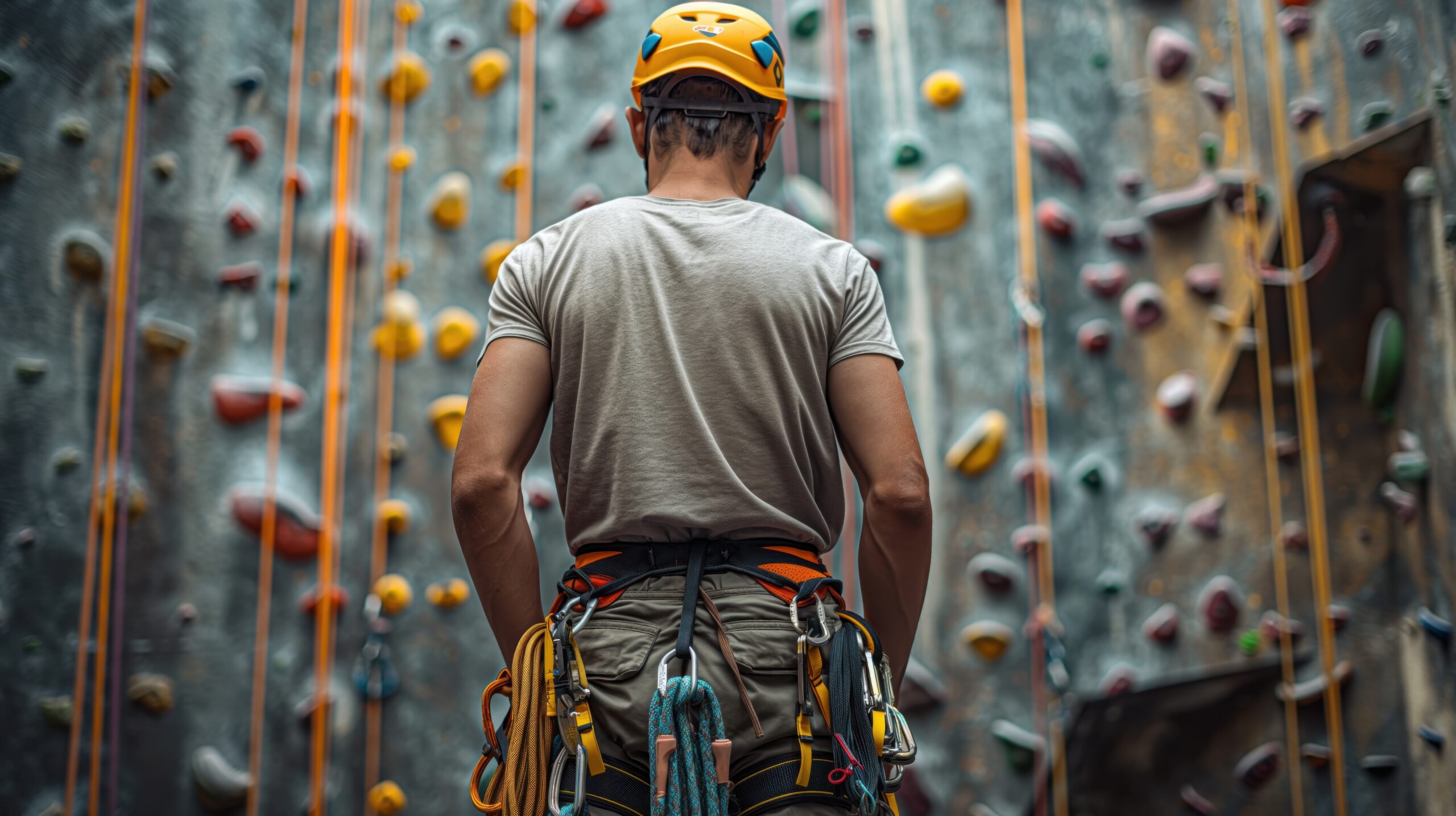
- Fall Protection Systems – Training on harnesses, lanyards, anchor points, and shock absorbers.
- Personal Protective Equipment (PPE) – Proper use, inspection, and maintenance of helmets, gloves, and boots.
- Rescue Techniques – Emergency procedures for rescuing injured climbers safely.
- Hazard Identification – Recognizing environmental risks such as weather, electrical hazards, and structural instability.
- Regulatory Compliance – Understanding OSHA, ANSI, and other international safety standards.
- Virtual Simulations – Interactive scenarios that replicate real climbing situations.
These modules ensure that learners gain both theoretical knowledge and practical awareness before advancing to handson training.
Industries That Require Tower Climbing Training
Tower climbing skills are essential in several industries:
- Telecommunications: Technicians climb towers to install and maintain antennas, satellite dishes, and communication equipment.
- Wind Energy: Workers scale wind turbines to perform inspections, repairs, and maintenance.
- Construction: Highrise projects often require trained climbers for structural work.
- Broadcasting: Radio and television towers demand regular servicing by certified climbers.
An online tower climbing course prepares professionals for these diverse fields by instilling safety awareness and technical expertise.
Benefits of Certification
Completing an online tower climbing course often leads to certification, which is highly valued by employers. Certified climbers demonstrate competence, commitment to safety, and compliance with industry standards. Certification also enhances career prospects, as many companies require proof of training before allowing workers to climb towers. In addition, certified professionals are more likely to secure higher wages and longterm contracts.
Challenges of Online Training
While online courses offer many advantages, they are not without limitations. The most significant challenge is the lack of handson practice. Tower climbing is a physical skill that requires muscle memory, balance, and confidence at heights. Online training can only provide theoretical preparation; practical sessions are still necessary to master climbing techniques.
Another challenge is technology access. Learners must have reliable internet connections and devices to participate effectively. Despite these limitations, online courses remain an excellent starting point for anyone entering the profession.
Future of Online Tower Climbing Courses
The future of online tower climbing courses looks promising. With advancements in virtual reality (VR) and augmented reality (AR), training programs are becoming more immersive. Learners can practice climbing scenarios in simulated environments, reducing risks while building confidence. Artificial intelligence (AI) is also being integrated to personalize training, track progress, and provide instant feedback. As technology evolves, online courses will continue to bridge the gap between theory and practice, making tower climbing safer and more accessible worldwide.
Conclusion
An online tower climbing course is a modern solution for training professionals in one of the most challenging industries. By offering flexibility, affordability, and standardized instruction, these courses prepare climbers for careers in telecommunications, wind energy, construction, and broadcasting. While practical training remains essential, online programs provide the theoretical foundation and safety awareness needed to succeed. As digital learning technologies advance, online tower climbing courses will play an even greater role in shaping the future of this highrisk profession.