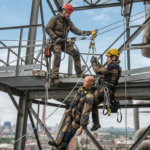


How Authorised Rigger Certification Can Improve Workplace Efficiency
In industries like construction, manufacturing, oil and gas, logistics, and heavy equipment operations, workplace efficiency is directly tied to safety, skill, and proper planning. One critical yet often overlooked factor in operational success is having trained and certified rigging personnel. Obtaining an authorised rigger certification is not only a compliance requirement but also a highly strategic investment that enhances productivity, reduces downtime, and creates a safer working environment.
As businesses continue to prioritise operational excellence, certified riggers play an increasingly important role. Proper rigging practices ensure heavy loads move safely and efficiently, minimising risks and supporting seamless project execution.
Understanding Authorised Rigger Certification
An authorised rigger certification verifies that an individual has the knowledge and practical skills to safely inspect, attach, move, and manage loads using rigging equipment. Certified riggers are trained to understand load calculations, weight distribution, lifting techniques, hazard identification, and equipment inspection procedures.
Also read: Authorised Rigger Certification: A Vital Commitment to Safety and Worker Welfare
This specialised knowledge ensures that workers can perform lifting operations correctly while complying with industry standards and workplace safety regulations. As a result, organisations benefit from a workforce that is better prepared to handle complex lifting tasks with confidence and precision.
Enhancing Workplace Safety
Safety and efficiency go hand in hand. Workplace accidents involving lifting and rigging operations can result in serious injuries, equipment damage, project delays, and financial losses. A single rigging mistake can halt operations for hours or even days.
An authorised rigger certification helps workers identify potential hazards before they become incidents. Certified riggers understand how to select the appropriate slings, shackles, hooks, and lifting devices for specific tasks. They are also trained to evaluate environmental conditions and ensure that loads are secured correctly before lifting. When safety risks decrease, businesses spend less time on accidents, investigations, and operational disruptions, allowing projects to proceed more smoothly and efficiently.
Reducing Downtime and Operational Delays
Unexpected downtime is a major challenge for industrial organisations. Equipment failures, improper lifting procedures, and load mishandling can significantly impact productivity.
Professionals with an authorised rigger certification are trained to conduct pre-lift inspections and verify that all equipment is functioning properly. This proactive approach helps prevent avoidable delays caused by equipment damage or unsafe lifting practices. Certified riggers can also coordinate lifting operations more effectively, ensuring tasks are completed the first time correctly. Fewer errors mean fewer interruptions, helping organisations maintain schedules and meet deadlines more consistently.
Improving Team Communication
Efficient lifting operations require clear communication among crane operators, signal persons, supervisors, and riggers. Miscommunication can lead to mistakes, delays, and safety hazards.
An authorised rigger certification equips personnel with standardised knowledge and industry-recognised communication practices. Certified riggers understand proper signalling techniques, operational terminology, and coordination procedures.
When every team member follows the same standards, collaboration improves. Better communication reduces confusion and helps teams complete tasks accurately and efficiently, especially on large-scale projects where multiple crews work together.
Increasing Productivity and Performance
A skilled workforce is a productive workforce. Employees who understand rigging principles can make better decisions, solve problems quickly, and execute lifting operations with confidence.
With an authorised rigger certification, workers gain practical expertise to assess situations, select appropriate equipment, and perform lifts more efficiently. This level of competence reduces the need for constant supervision and minimises costly errors.
As employees become more capable and self-sufficient, overall workplace performance improves. Organisations can complete projects faster while maintaining high standards of safety and quality.
Supporting Regulatory Compliance
Regulatory compliance is a crucial concern for employers operating in high-risk industries. Failure to meet the safety requirements can result in fines, legal liabilities, project shutdowns, and reputational damage.
An authorised rigger certification demonstrates a company’s commitment to industry best practices and workforce competency. Certified employees are much more likely to follow proper procedures and maintain compliance with safety regulations governing lifting and rigging operations.
By investing in certification programs, organisations reduce compliance-related risks while strengthening their safety culture and professional credibility.
Building Employee Confidence and Job Satisfaction
Training and certification programs contribute significantly to employee development. Workers who receive an authorised rigger certification often feel more confident in their abilities and more engaged in their roles.
Confidence leads to better decision-making and improved job performance. Employees who understand the technical aspects of their work are more likely to take ownership of responsibilities and contribute positively to team objectives. Furthermore, certification provides valuable career advancement opportunities, helping organisations attract and retain skilled talent in competitive industries.
Conclusion
In today’s demanding industrial environment, efficiency depends on more than just equipment and technology. It requires skilled professionals who understand how to perform their jobs safely and effectively. An authorised rigger certification gives workers the expertise to execute lifting operations accurately, reduce workplace risks, and improve overall productivity.
From minimising downtime and enhancing communication to supporting compliance and boosting employee confidence, the benefits of certification are clear. Organisations that prioritise professional training position themselves for long-term success and operational excellence. Enrol in an industry-recognised authorised rigger certification program today and gain the skills needed to work safely and efficiently. Visit https://verticalacademy.us/.