
How to Obtain a Competent Climber and Rescuer Certification?
Jobs that involve working at height are some of the most challenging and risky in fields like construction, wind energy, telecommunications, and industrial maintenance. Each year, many workers face dangers when climbing towers, scaffolding, or other tall structures. To keep everyone safe and meet regulations, more professionals now need a competent climber and rescuer certification. This shows that a person can climb safely and knows how to handle rescues if something goes wrong. Getting this certification involves classroom lessons, hands-on practice, and thorough testing.

Why Competent Climber and Rescuer Certification Is Essential
- Safety assurance: Certified climbers are trained to prevent accidents and respond effectively when emergencies occur.
- Regulatory compliance: OSHA and ANSI standards require workers at height to undergo fall protection and rescue training. Certification ensures compliance.
- Career growth: Employers prefer certified professionals, making this credential a gateway to better job opportunities.
- Employer confidence: Businesses reduce liability and insurance costs when their workforce is properly trained.
Step‑by‑Step Guide to Certification
1. Meeting Eligibility Requirements
Candidates should be physically fit, as climbing and rescue tasks demand endurance, strength, and agility. Some training providers may require prior exposure to basic safety or climbing practices.
2. Selecting the Right Training Provider
Choosing an accredited provider is critical. Institutions like Vertical Academy offer programs aligned with OSHA and ANSI standards, ensuring that training is both practical and compliant.
3. Classroom Instruction
The theoretical portion covers:
- Fall protection regulations and standards
- Equipment inspection and maintenance
- Hazard identification and risk assessment
- Rescue planning and emergency response protocols
4. Hands‑On Training
Practical sessions are the backbone of the program. Candidates practice:
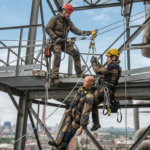
- Safe climbing techniques on towers and ladders
- Proper use of harnesses, lanyards, and rope systems
- Rescue drills, including lowering and lifting injured workers
- Team coordination during emergencies
5. Assessments
Certification requires passing written exams and practical evaluations. Written tests measure knowledge of safety standards, while practical assessments verify the ability to execute rescues under pressure.
6. Certification Award
Upon successful completion, candidates earn the competent climber and rescuer certification, demonstrating readiness to work at height safely and effectively.
7. Renewal and Continuing Education
Most certifications require renewal every 2–3 years. Refresher courses ensure that climbers remain updated on evolving safety standards and maintain sharp rescue skills.
Becoming Industry‑Ready with Competent Climber and Rescuer Certification
A key benefit of earning a competent climber and rescuer certification is that it gets you ready for real work in the industry. It’s more than just passing tests—it gives climbers the right mindset, practical skills, and flexibility needed on the job.
1. Alignment with Industry Standards
Training programs follow OSHA, ANSI, and other global safety standards. This means certified climbers can join companies and get started right away, without extra onboarding.
2. Practical, Job‑Focused Skills
Hands-on rescue drills and climbing exercises are based on real workplace situations. Practicing tower climbs, rope work, and emergency rescues helps candidates build confidence they can use on the job.
3. Adaptability Across Sectors
Certified climbers can work in many fields, like telecommunications, wind energy, or construction. The training helps them handle different structures, equipment, and rescue situations.
4. Professional Credibility
Employers see certification as proof that someone is skilled and serious about safety. This trust can help you get hired faster and move up in your career.
5. Continuous Learning Culture
Professionals who are ready for the industry know that safety rules change over time. Certification programs focus on ongoing learning, so climbers keep their skills sharp and stay up to date with new tools and rescue methods.
If you want to be ready for the industry and stand out in a competitive field, this certification is the one to go for.
Benefits for Businesses
Employers gain significant advantages when their workforce is certified:
- Reduced accidents and insurance claims
- Improved compliance with OSHA and industry regulations
- Enhanced morale and confidence among employees
- Stronger reputation for prioritizing safety and professionalism
Skills You’ll Develop
By completing the certification, climbers acquire:
- Technical expertise in climbing equipment and rescue systems
- Decision‑making skills under high‑pressure scenarios
- Leadership abilities in coordinating rescue operations
- Risk management strategies to prevent accidents before they occur
Final Thoughts
Getting a competent climber and rescuer certification is not just about meeting rules; it shows your commitment to safety, professionalism, and doing your best. By following the steps above and picking a trusted provider like Vertical Academy, you’ll get the skills, confidence, and credentials you need to succeed in jobs that involve working at height.
This certification helps save lives and lets businesses create a safer, more trustworthy workplace. For workers, it’s a big step forward in your career. For companies, it’s a smart investment in safety and reliability.
If you’re ready to elevate your career and ensure workplace safety, the competent climber and rescuer certification is the credential you need.
Sign up today with Vertical Academy, a trusted name in safety training. Their skilled instructors, practical teaching, and respected credentials will help you protect yourself and others while growing your career.