

Online Tower Climbing Course: Building Safety Skills from Anywhere
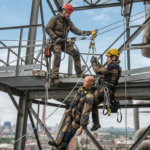
In industries such as telecommunications, wind energy, and broadcasting, tower climbing is a critical skill. Workers often need to ascend tall structures to install, maintain, or repair equipment. While the job is essential, it is also one of the most hazardous. Falls, equipment mishandling, and environmental factors pose serious risks. To address these challenges, training has evolved beyond traditional classrooms and field sessions. Today, the online tower climbing courses offer a flexible, accessible, and effective way to equip professionals with the knowledge they need before stepping onto a tower.
Why Tower Climbing Training Matters
Tower climbing is not just about physical strength; it requires technical expertise, safety awareness, and mental resilience. Proper training ensures that climbers:
- Understand fall protection systems.
- Learn how to use harnesses, lanyards, and anchors correctly.
- Recognize hazards such as electrical lines, weather conditions, and unstable structures.
- Develop emergency response skills for rescue situations.
Without structured training, workers face heightened risks, and companies expose themselves to liability and compliance issues.
The Rise of Online Tower Climbing Courses
Traditionally, tower climbing training was conducted in person, often requiring travel to specialized facilities. While hands‑on practice remains essential, the digital age has introduced new possibilities. An online tower climbing course allows learners to access foundational knowledge from anywhere, reducing barriers to entry and preparing them for practical sessions.
Key Advantages Include:
- Flexibility: Learners can study at their own pace, fitting training around work schedules.
- Accessibility: Remote workers or those in rural areas can access training without long commutes.
- Cost‑effectiveness: Online modules reduce travel and accommodation expenses.
- Consistency: Standardized digital content ensures every participant receives the same information.
What an Online Tower Climbing Course Covers
A well‑designed course typically includes:
- Introduction to Tower Climbing : Overview of industry applications, job responsibilities, and safety culture.
- Fall Protection Systems : Detailed instruction on harnesses, anchors, lanyards, and self‑retracting lifelines.
- Climbing Techniques: Best practices for ascending and descending safely, maintaining three points of contact, and managing fatigue.
- Hazard Recognition: Identifying risks such as weather changes, electrical hazards, and structural instability.
- Emergency Procedures: Training on rescue techniques, first aid basics, and communication protocols during incidents.
- Regulatory Compliance: Guidance on OSHA standards, industry regulations, and employer responsibilities.
- Practical Preparation: Preparing learners for hands‑on sessions by reinforcing theory with simulations, videos, and quizzes.
Benefits for Employers and Workers
An online tower climbing course benefits both sides of the workforce equation:
- For Employers:
- Ensures compliance with safety regulations.
- Reduces training costs and logistical challenges.
- Improves workforce readiness before field practice.
- For Workers:
- Provides confidence through structured learning.
- Offers flexibility to balance training with personal commitments.
- Enhances career prospects with recognized certifications.
Addressing Common Concerns
Some skeptics worry that online training cannot replace hands‑on practice. It’s true that climbing towers requires physical application, but online courses are not meant to replace field training—they complement it. By mastering theory online, learners arrive at practical sessions better prepared, making hands‑on training safer and more efficient.
The Future of Tower Climbing Training
As industries continue to embrace digital transformation, online training will expand further. Virtual reality (VR) and augmented reality (AR) are already being explored to simulate tower climbing environments. These technologies allow learners to practice scenarios in a safe, controlled setting before attempting real climbs. Combined with traditional fieldwork, the online tower climbing course represents the future of workforce training.
Conclusion
Tower climbing is a demanding profession that requires skill, discipline, and unwavering attention to safety. The online tower climbing courses bridge the gap between accessibility and expertise, offering workers the chance to learn critical safety principles from anywhere. By combining digital learning with hands‑on practice, industries can ensure that their workforce is not only compliant but also confident and prepared.
In a world where safety and efficiency are paramount, online training is more than a convenience; it is a necessity for building a resilient, skilled workforce.